
Mexico is a country with an unusual nature. Every year, Mexico receives more than 40 million tourists from around the world. Of course, how not to want to see such beautiful historical places and truly feel the local culture and way of life! In addition to the famous resorts, you will find many lakes that should be visited.
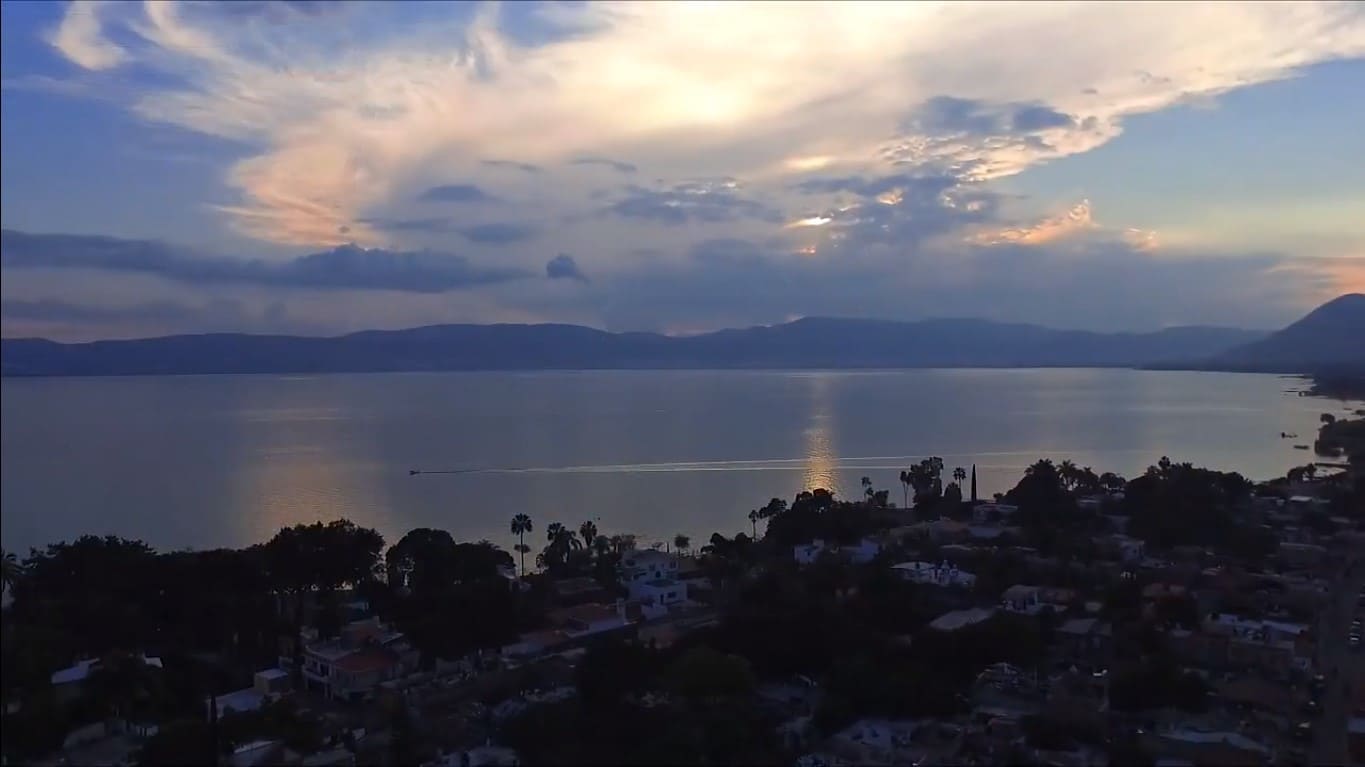
Lake Chapala is the largest freshwater reservoir in Mexico. The lake is located on a distance about 28 miles to the southeast of the cultural center of Guadalajara. The Chapala is notable for its three beautiful islands, Isla de los Alacranes, Isla Mescala (the largest island, here is the stray fort and the prison) and La Isla Menor island.
The Chapala characteristics:
- Maximum depth is 34 feet (10.5 m); average about 23 feet (7 m)
- Coastline 16.5 miles
- Length is about 50 miles (80 km) from east to west
- Average width is about 8 miles (12.5 km) from north to south
- Square is 268800 acres
| Largest lake in Mexico | Surface area about 1,100 km² (roughly 420 sq mi) |
| Where it is | On the border of Jalisco and Michoacán, about 45 km (28 mi) southeast of Guadalajara |
| Elevation | 1,524 m (5,000 ft) — the reason for its mild, spring-like climate |
| Size | About 50 miles (80 km) long and 8 miles (12.5 km) wide |
| Depth | Average 7 m (23 ft); maximum 10.5 m (34 ft) |
| Lakeside towns | Chapala, Ajijic, Jocotepec, San Juan Cosalá, San Antonio Tlayacapan |
| Best known for | Retirement living, Guadalajara day trips, white-pelican season, lakeside dining |
Is Lake Chapala safe to swim in?
It is the question every first-time visitor asks, and the honest answer is “yes, with a little common sense.” Chapala is fed by the Río Lerma, which arrives carrying farm and city run-off, and in the warm months you will see rafts of water hyacinth — locals call it lirio — drifting across the surface. None of that puts the lake off-limits. Water sampled at the public beaches usually sits well inside the limits for recreational bathing when the lake is at 70–80% of capacity, and on a normal day the bacteria counts are lower than at many a popular ocean beach.
Most people enjoy Chapala from a boat, a kayak or a paddleboard rather than by diving in, which is the easy way to sidestep the question altogether. If you do want to swim, stick to the maintained municipal beaches, skip the water for a day or two after heavy rain or when a thick bloom is visible, and rinse off afterwards. Treat it the way you would any large, warm freshwater lake and you will be fine.
Living and retiring at Lakeside: Ajijic and Chapala
The northern shore — the Ribera de Chapala — is home to one of the largest communities of North American retirees anywhere in the world. Somewhere around twenty thousand Americans and Canadians have settled in and around Ajijic and Chapala town, drawn by a climate that National Geographic once called the second-best on earth: dry, sunny and hovering near 20 °C (68 °F) almost every day of the year.
The money goes a long way, too. A couple can live comfortably on roughly US $1,500–$2,500 a month, commonly 40 to 50 percent less than the equivalent life back home. Cobblestone streets, a walkable pace, good private healthcare and a ready-made social scene built around the Lake Chapala Society all add to the appeal. On the property side, modest casitas start around US $75,000–$100,000, while lakefront homes and gated-community apartments climb past US $400,000; long-term rentals begin near US $400 a month for a small studio. If lake living in a more tropical setting tempts you, the turquoise water of Lake Bacalar is a very different alternative on the other side of the country.
The best things to do around Lake Chapala
- Walk the Chapala malecón — the lakefront boardwalk, lined with piers, food carts and weekend mariachi, is the town’s social heart.
- Boat out to Mezcala Island (Isla de los Mezcala) to explore the ruins of the insurgent fort that held out against Spanish forces between 1812 and 1816, or to Isla de los Alacranes for a plate of lakeside seafood.
- Soak in the thermal springs at San Juan Cosalá, where mineral pools look straight out over the water.
- Go birdwatching — more than 300 species have been recorded here, and each winter thousands of American white pelicans gather on the lake, most famously at Petatán on the Michoacán side.
- Wander Ajijic, a designated Pueblo Mágico whose lanes are full of galleries, painted murals and cafes.
- Eat like a local — order charales (tiny lake fish, fried crisp) and pescado blanco at the palapa restaurants along the shore.
When to visit, and what the weather is like
There is no bad time to come. Chapala’s highland position gives it a gentle, spring-like climate all year, with daytime temperatures usually in the low-to-mid 20s °C (70s °F). The dry season, November through May, brings clear blue skies and is the prime window for the pelicans and the rest of the winter birdlife. The summer rains, June to October, turn the surrounding hills emerald green; showers tend to roll through in the late afternoon and clear by evening. Time your trip for early October and you can catch Chapala’s lively fiesta of San Francisco.
Lake history
For the first time, Lake Chapala was discovered in 1530 by the Spanish conquistador Niño de Guzmán. He became the first among Europeans and saw the pristine beauty of the lake nature. By the way, this lake has always been considered a sacred place for indigenous peoples (Indians Otomi and Zapateki) and has been a place of sacrifice. According to the inventions, the inhabitants of the Chapala tried to preserve the purity of its waters.
Already at the beginning of the 20th century, after 4 centuries, the lake became the favorite resting place of the top of the Mexican society. Since then, Lake Chapala has become an attractive resort with many hotels and restaurant complexes.
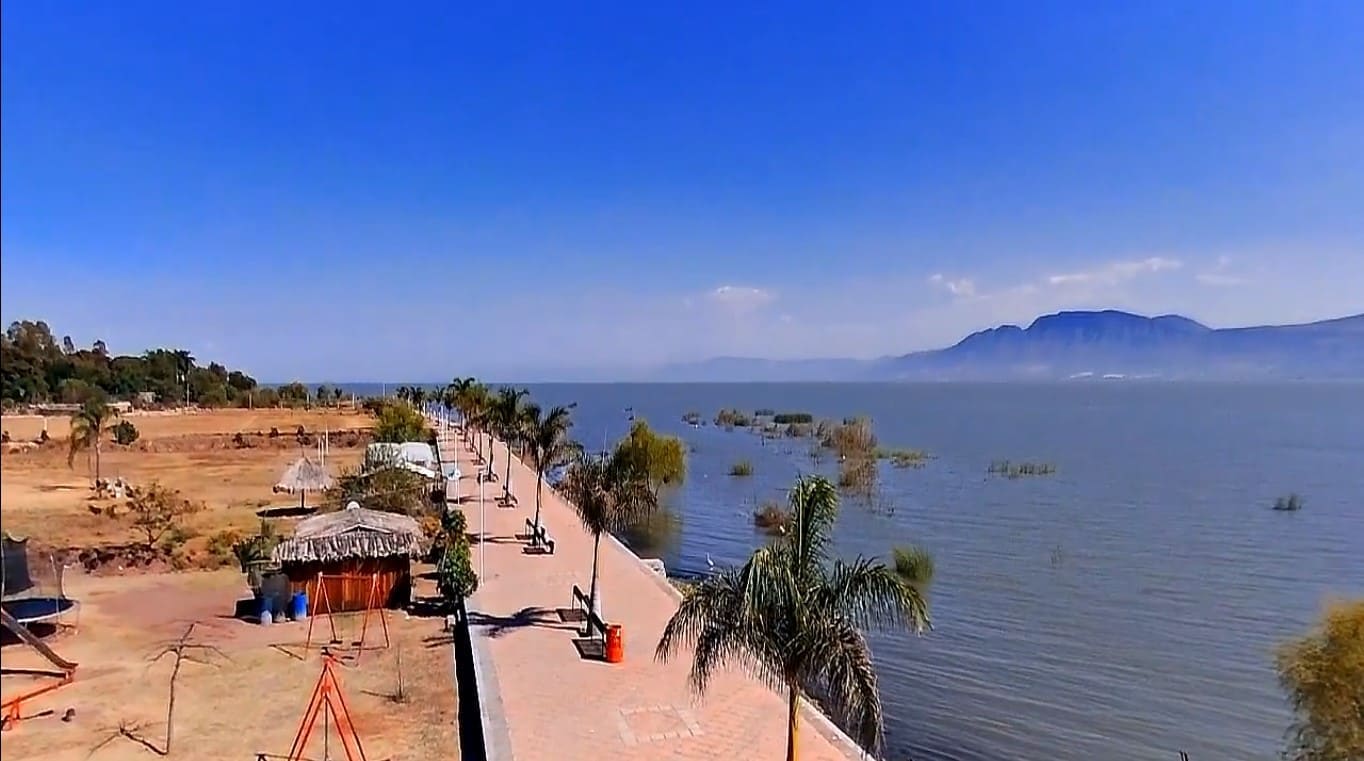
Nature and wild world
The climate of the lake and the rich world of nature are very favorable for life. Coolness and fresh air are something that many areas of hot Mexico lack so much. Therefore, the lake is so often visited by tourists, especially the elderly.
Thousands of rare plants and animals inhabit the lake.
The most common birds on the Chapala:
- Pink pelican
- White pelican
- 3 types of heron
- Wild ducks

The most common Chapala plants
Water hyacinth is a beautiful rare plant with purple and blue flowers. The flowering plant can be found on any part of the lake, as it quickly disperses and densely covers the water. Also white and red poppies are blooming by the lake.
Fish in the Chapala Lake
The lake’s signature catches are the tiny silvery charales and the prized native white fish (pescado blanco, a Chirostoma); introduced carp and tilapia thrive here too, alongside catfish. There are also snakes, but they are not poisonous and do not pose a danger.
Parks around
If you are going to come and spend the weekend on Lake Chapala, then you should visit the Sierra de San Juan Cosala National Park and Parque Agua Caliente City Park. Both parks are open for tourists from 07: 00–18: 00 every day and free to visit.
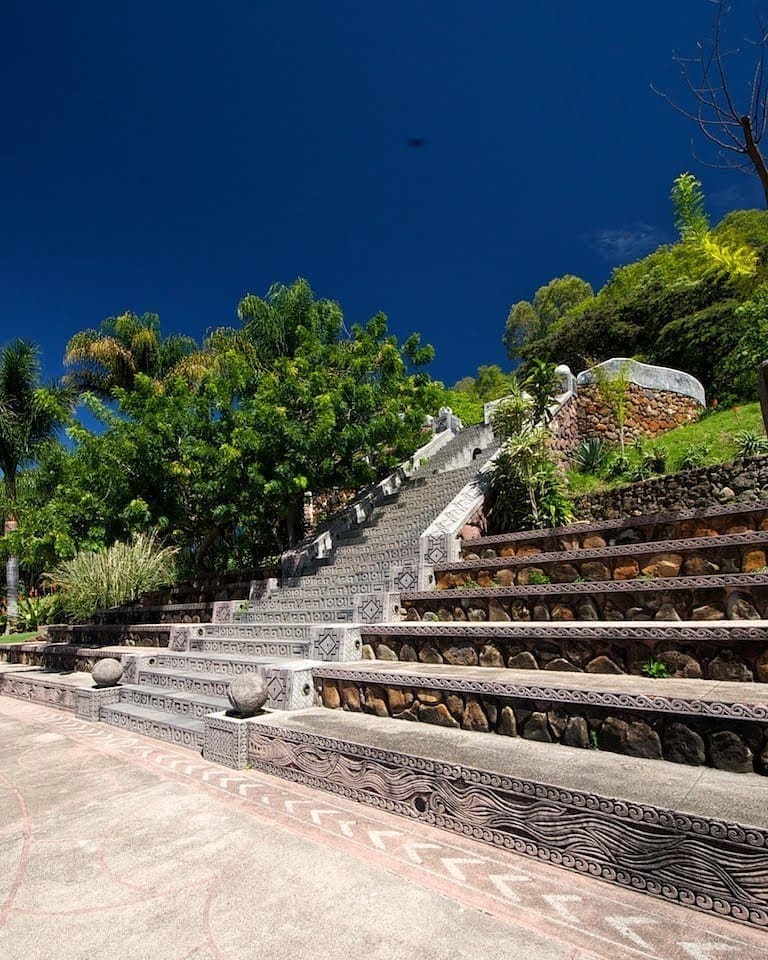
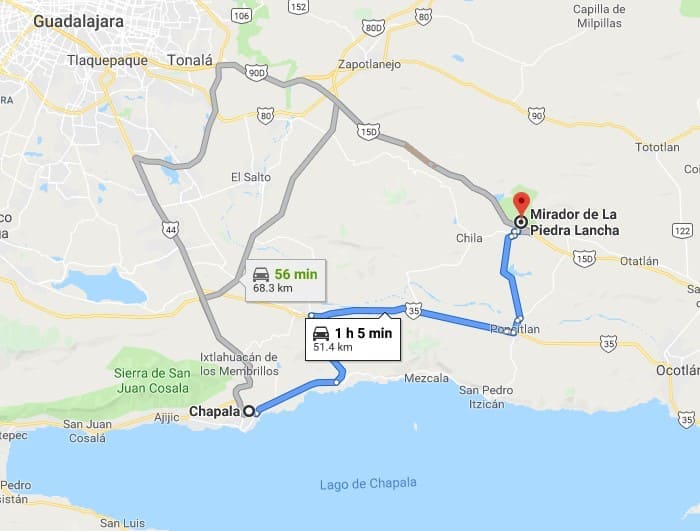
Particularly noteworthy is the landmark Mirador de La Piedra Lancha. This beautiful place is located 21 miles from the central part of the Chapala to the north. Here you cannot take your eyes off stunning waterfalls and panoramic views opening right in front of you.
Opportunities on the lake
Lake Chapala is very beloved by anglers from the USA and Canada. After all, there are favorable conditions for a comfortable life and the cost of living is much cheaper than in other places. Therefore the lake is a popular among elderly tourists.
There is everything for a relaxing holiday, as well as for those who like active games and sports.
On the Chapala you will find something that you really enjoy. You can go boating, learn to ride a sailboat, go fishing and much more. All information about the rules of rent and cost need to be clarified on the place.
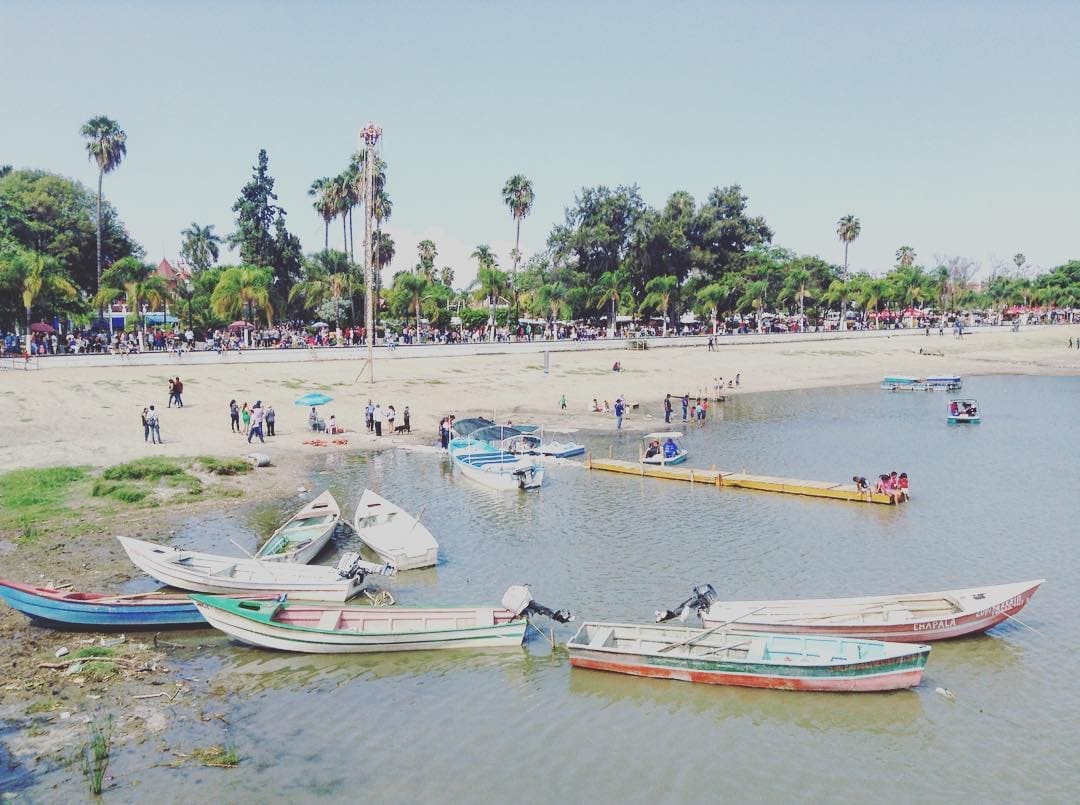
There are no campsites on the lake.
If you want to enjoy the magnificent scenery and stroll through all the interesting places, you can stay in one of the nearest cozy towns on the coast for a while.
In each city, there are wonderful promenades, cafes, and restaurants. The city of Ajijic and the city of Chapala certainly deserve attention. They are rich in both historical sights and unusual city streets.
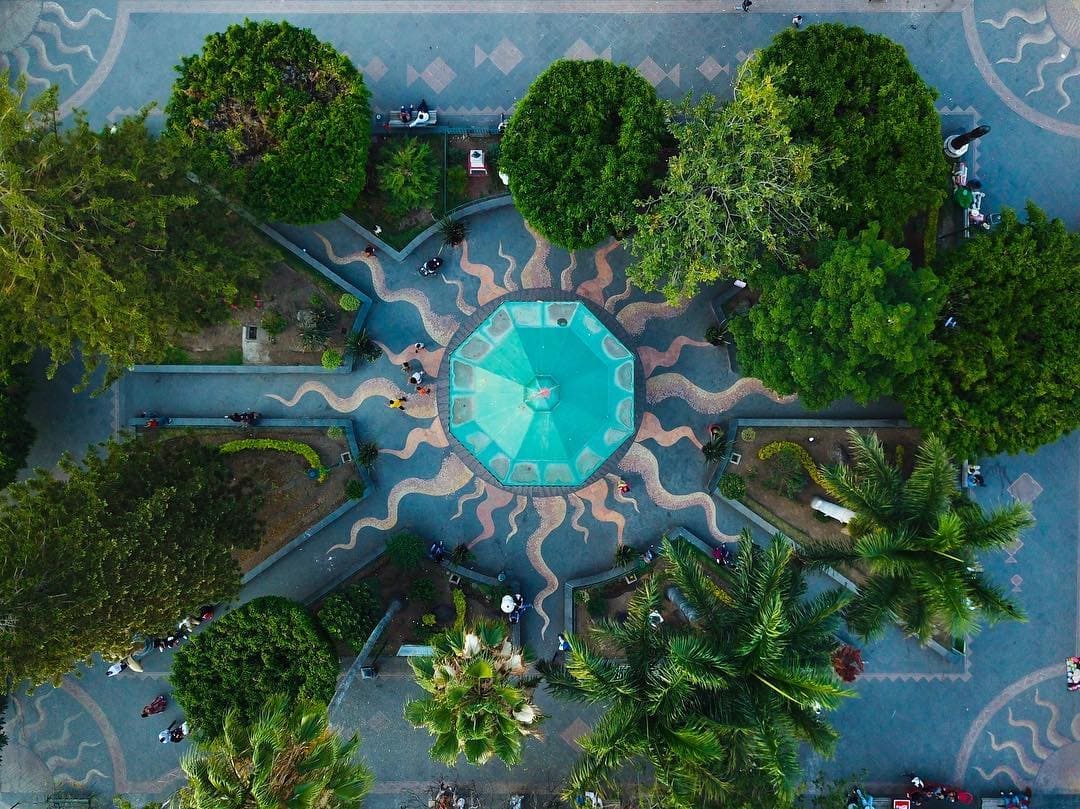
What cities are worth visiting?
Guadalajara is one of the most ancient Mexican cities and at the same time the main city of the state of Jalisco. It is known as the Pearl of the West and the City of Roses. The city is located not far from the lake: 22 miles to the north.
Be sure to visit the Guadalajara Cathedral consecrated in honor of the Assumption of the Blessed Virgin Mary. In the historic center of the city, you will not find a temple more famous and delightful than this one.
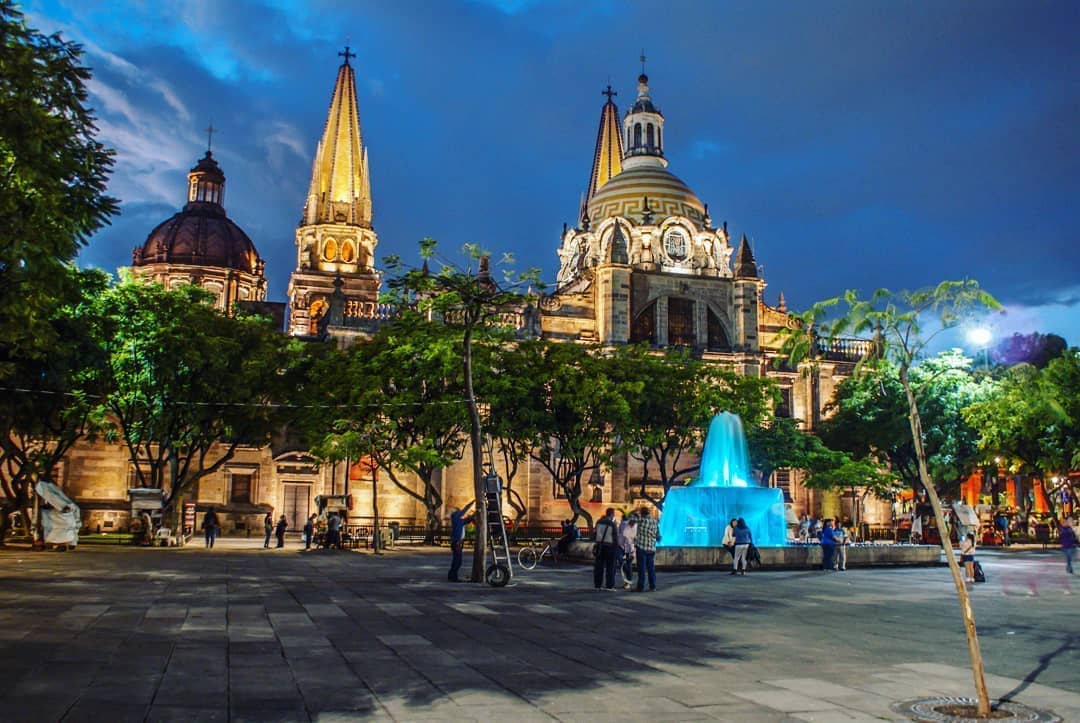
The distance from the center of Guadalajara to the Cathedral is about 1.24 miles. You can reach it through the streets of Calz Independencia Sur and Av Ramón Corona, Av 16 de Septiembre, Calz Independencia Sur and Av Juárez.
The city has many 4 and 5 star hotels for every taste. A large number of options can be found on the Booking.com.
And if you really liked Chapala?
This is very likely. After the first trip to Lake Chapala, you will definitely want to come here again and again to enjoy the beautiful nature. And if you really liked it, you can buy property and stay forever in the arms of the lake.
Here you can find both affordable options and elite real estate.
For example, one of this houses. Residential can be purchase for 74 000 US dollars.
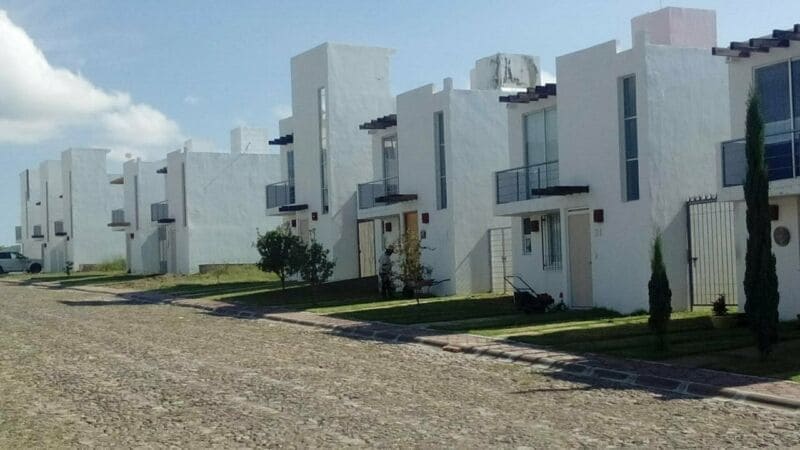
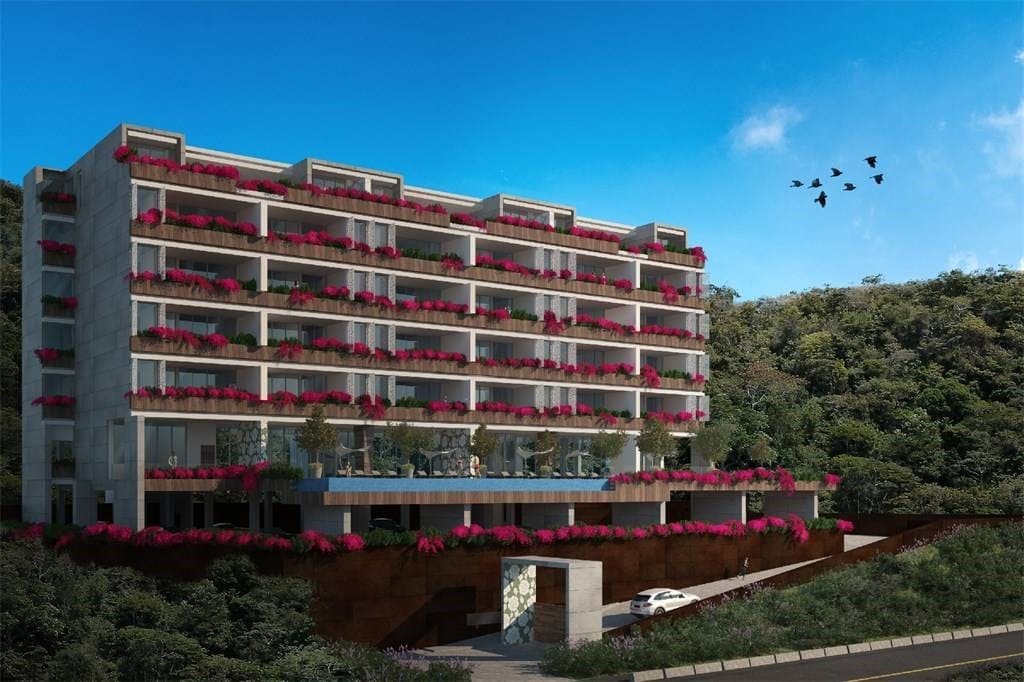
If you prefer luxury and high comfort you can buy amazing apartments with a pool for 485 000 dollars.
How to get to Lake Chapala
From Guadalajara:
All cities on the coast of Chapala have good transport links. Each of the city buses has stops at the bus station in Guadalajara.
There are 2 types of common buses. The first go non-stop strictly from the city to the station. And others stop along the way and you can get off at the right place.
The journey from Guadalajara to the lake by car or by bus will take no more than 1 hour. Public transport runs every half hour from the old bus station Antigua Central Camionera. The bus station is satiated on 1 mile to the south from Guadalajara Cathedral. Ticket prices are fairly inexpensive, about 2 US dollars.
For foreign tourists
If you go on a trip from the USA, Canada or another country, then you need to fly from Mexico-Mexico City Airport to Guadalajara. Direct flights usually fly 28-36 times a day. Flight time is about 1 h. 15 min.
Next, you need to get on the bus. Schedule and route can be found right at the airport of Guadalajara. The best way to find out reliable information is to contact the information desk at the airport.
There is no doubt that it is worth taking at least a couple of days of rest and spend a wonderful time at Lake Chapala. You will not regret, and recharge yourself with a huge amount of energy and positive!
If you are interested in any information, then pay attention to the links below. They will help you navigate the right route and learn more about the lake before traveling.
Useful links
- Property for sale –https://www.accesslakechapala.com/
- Airport of Guadalajara –https://www.airport-guadalajara.com/
- Everything about life on Chapala –https://www.bestoflakechapala.com/
Frequently asked questions about Lake Chapala
Is Lake Chapala the largest lake in Mexico?
Yes. At about 1,100 km² (roughly 420 square miles) it is comfortably the largest freshwater lake in the country, straddling the border of Jalisco and Michoacán.
Is Lake Chapala safe to swim in?
Generally yes, with common sense. The public beaches are tested and usually well within recreational limits, though many visitors prefer to enjoy the lake by boat or kayak. Avoid swimming right after heavy rain or when a thick algal bloom is visible.
Is Lake Chapala a good place to retire?
It is one of the most popular retirement spots in Mexico, with an established expat community of roughly twenty thousand around Ajijic and Chapala, a famously mild climate, low living costs and good private healthcare.
How much does it cost to live at Lake Chapala?
A couple can live comfortably on about US $1,500 to $2,500 a month, commonly 40 to 50 percent less than a comparable lifestyle in the United States or Canada. Rentals start near US $400 a month for a small studio.
How deep is Lake Chapala?
It is a shallow lake: average depth around 7 m (23 ft) and a maximum of about 10.5 m (34 ft).
How far is Lake Chapala from Guadalajara?
About 45 km (28 miles) to the southeast — roughly an hour by car or bus, which makes it an easy day trip from the city.
What towns are on Lake Chapala?
The main lakeside towns are Chapala, Ajijic, Jocotepec, San Juan Cosalá and San Antonio Tlayacapan, all strung along the northern shore.
What is there to do at Lake Chapala?
Walk the Chapala malecón, take a boat to Mezcala Island, soak in the thermal springs at San Juan Cosalá, watch the winter white pelicans, browse the galleries of Ajijic and dine on fresh lake fish along the shore.
Explore more in our complete guide to the lakes of Mexico — the biggest lakes, the regions, and the best ones to visit.


